What are the practical applications of 3D printers in the construction industry?
The construction industry is undergoing a technological revolution, with 3D printing playing a pivotal role in reshaping traditional building methods. From rapid prototyping to full-scale construction, 3D printers offer efficiency, precision, and cost-effectiveness. While applications like SLA 3D printing, dental models, and multicolor 3D printing are commonly associated with other industries, they also influence construction in surprising ways.
1. Architectural Models and Prototyping
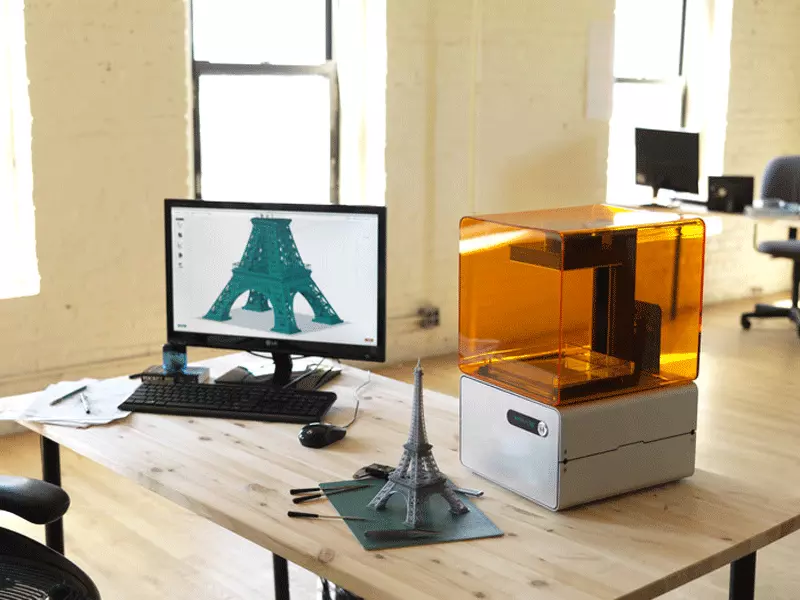
Before breaking ground on a project, architects and engineers rely on detailed 3D-printed models to visualize designs. SLA 3D printing (Stereolithography) is especially useful for creating high-resolution, intricate prototypes. Unlike traditional methods, SLA allows for precise detailing, enabling professionals to test structural integrity and aesthetic appeal before committing to large-scale construction.
2. Custom Construction Components
3D printers enable the production of bespoke building elements, such as facades, decorative panels, and even functional components like HVAC ducts. Multicolor 3D printing can be leveraged to create visually striking designs, blending aesthetics with functionality. This eliminates the need for expensive molds and reduces material waste.
3. Rapid On-Site Construction
Large-scale 3D printers can extrude concrete and other construction materials to build entire structures layer by layer. This method drastically reduces labor costs and construction timelines while minimizing errors. Companies are already using this technology to construct affordable housing, emergency shelters, and commercial buildings.
4. Reinforcing Complex Structures
Advanced3D printing techniques allow for the creation of lightweight yet durable reinforcement structures, such as lattice frameworks and honeycomb designs. These innovations enhance structural stability while reducing material consumption—a key advantage for sustainable construction.
5. Integration with Dental and Medical Applications
While dental models may seem unrelated, the precision of dental 3D printing technology has inspired construction applications. For instance, similar high-detail printing methods are used to create intricate molds for decorative concrete work or custom fixtures.
Conclusion
The construction industry benefits immensely from 3D printing, whether through rapid prototyping, customized components, or full-scale building projects. Technologies like SLA 3D printing and multicolor 3D printing expand creative and functional possibilities, while lessons from fields like dental modeling drive further innovation. As the technology evolves, its role in construction will only grow more significant.
Stay updated with the latest trends in 3D printing and construction innovation!
Previous: No More
